The Blog

— Browse By Topic

Find The Right
Catalytic Converter Solution.

Pick the category that matches your vehicle issue or curiosity. Each guide is designed to give you clear, practical, and expert-backed answers so you can make the right catalytic converter decision quickly.

Catalytic Converters

Everything about how they work, the different types, top brands, and what those OBD error codes actually mean.

Types & Brands

OBD Codes

How They Work

Maintenance & Repair

Practical guides on cleaning, fixing, and replacing your catalytic converter — with honest cost breakdowns.

Cleaning

Repair Costs

Replacement

Buying & Replacement

Vehicle reviews, parts comparisons, performance tips, and practical advice for everyday car owners.

Car Reviews

Parts

Driver Tips

Emissions & Laws

Clear explainers on emissions regulations, theft laws by state, environmental rules, and legal compliance.

Regulations

Theft Laws

Environment

— All Articles
Latest Posts

The Ultimate Guide to High-Flow Catalytic Converters

The Ultimate Guide to High-Flow Catalytic Converters: Benefits, Costs, and Performance Overview A high flow catalytic converter lets exhaust gases pass through with less restriction than a stock unit, which frees up horsepower and improves exhaust sound without removing emissions control entirely. It uses a less dense substrate and a larger cell count so spent…
Read Full Article → The Ultimate Guide to High-Flow Catalytic Converters

P0420 Code Nissan Guide: DTC & Bank 1 Causes, Signs & Fixation

P0420 Code Nissan: Causes, Fixes & Replacement Cost The p0420 code Nissan owners see is a catalyst system efficiency fault on Bank 1, and in plain terms it means your vehicle’s onboard computer has determined the catalytic converter is not cleaning exhaust gases as well as it should. This does not automatically mean the converter…
Read Full Article → P0420 Code Nissan Guide: DTC & Bank 1 Causes, Signs & Fixation

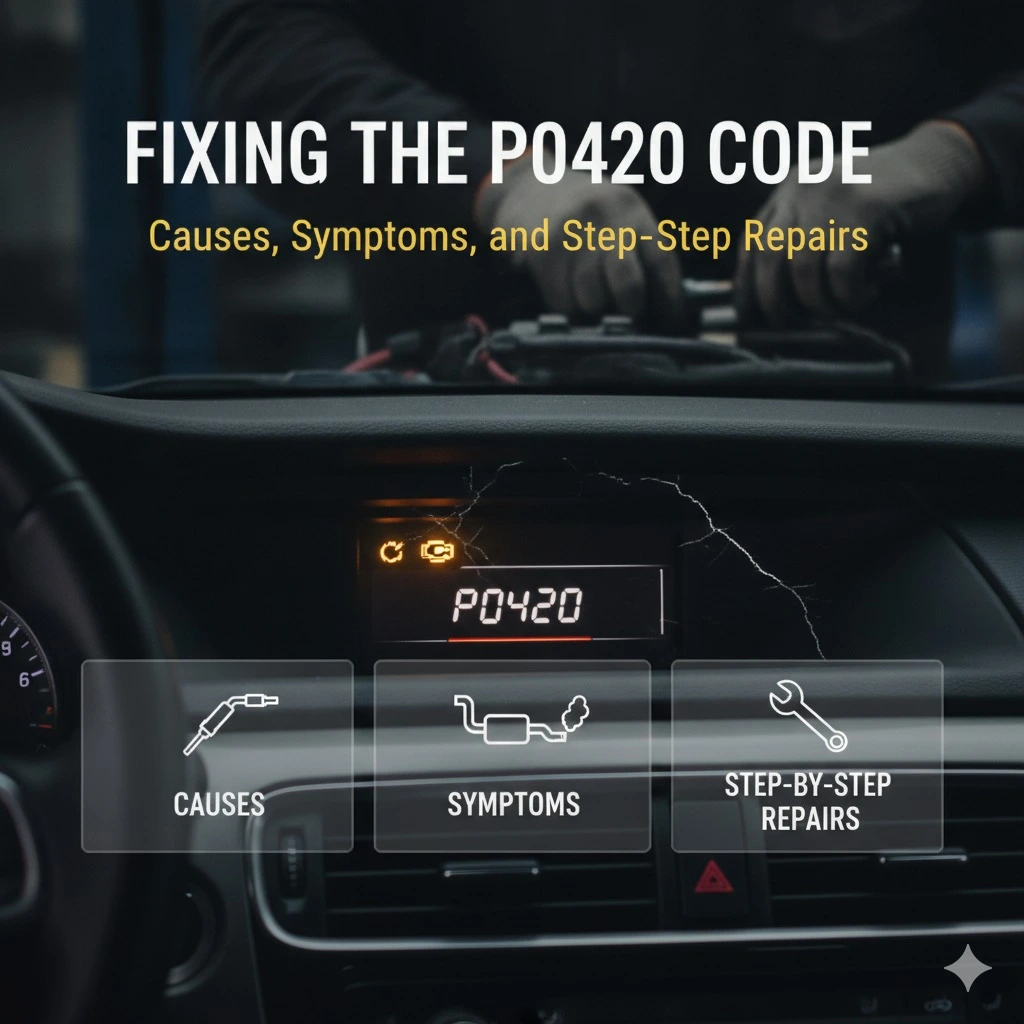
Fixing the P0420 Code: Causes, Symptoms & How to Fix It

Fixing the P0420 Code: Causes, Symptoms, and Step-by-Step Repairs A p0420 code means your vehicle’s engine control unit has detected that the catalytic converter on bank 1 is operating below its required efficiency threshold. In plain terms, the converter is not cleaning exhaust gases well enough to meet the emissions standard your car was built…
Read Full Article → Fixing the P0420 Code: Causes, Symptoms & How to Fix It

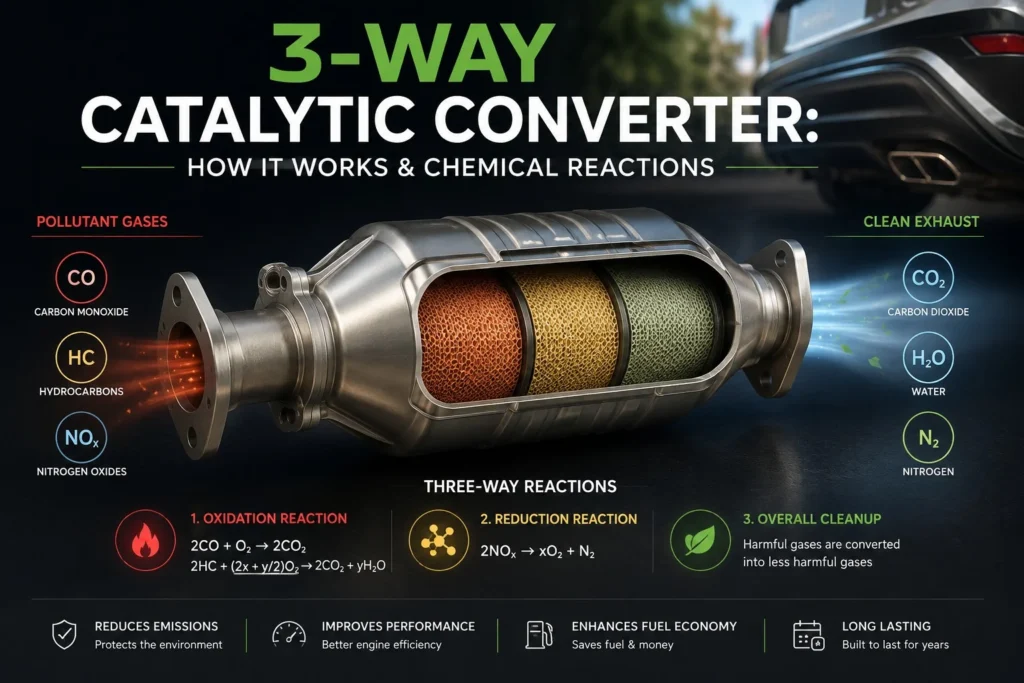
What Is a Catalytic Converter? Definition, Purpose and How It Works

What Is a Catalytic Converter? Definition, Purpose and How It Works If you have ever wondered what that canister-shaped component called Catalytic Converter bolted beneath your car actually does, you are not alone. The catalytic converter is one of the most important yet most overlooked parts of any modern vehicle. It sits quietly along your…
Read Full Article → What Is a Catalytic Converter? Definition, Purpose and How It Works

Is a Catalytic Converter Covered by Warranty or Insurance?

Is a Catalytic Converter Covered by Warranty or Insurance? 12+ years writing clear, practical guides on vehicle maintenance and emissions systems. Is a Catalytic Converter Covered by Warranty or Insurance? A catalytic converter replacement can run anywhere from $800 to well over $3,000 depending on the vehicle, which makes understanding your coverage options genuinely urgent…
Read Full Article → Is a Catalytic Converter Covered by Warranty or Insurance?

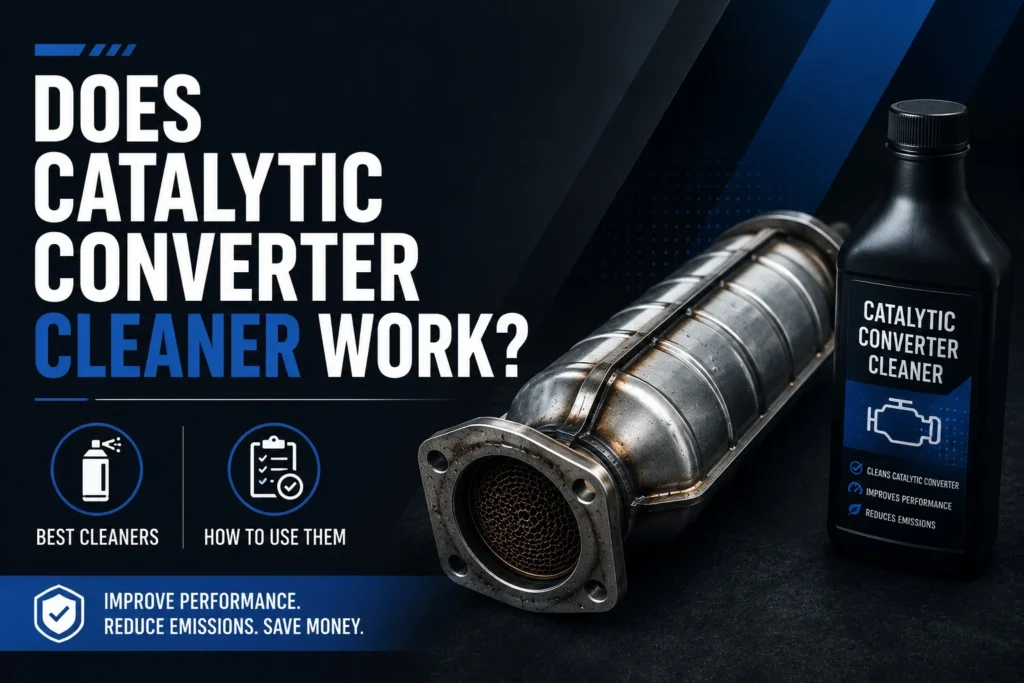
Does Catalytic Converter Cleaner Work? Best Cleaners and How to Use Them

Does Catalytic Converter Cleaner Work? Best Cleaners and How to Use Them Yes, catalytic converter cleaner can work, but only if carbon buildup is reducing the converter’s efficiency. It won’t repair physical damage or restore a converter that’s been melted, cracked, or contaminated by excessive oil consumption. If your check engine light is showing a…
Read Full Article → Does Catalytic Converter Cleaner Work? Best Cleaners and How to Use Them

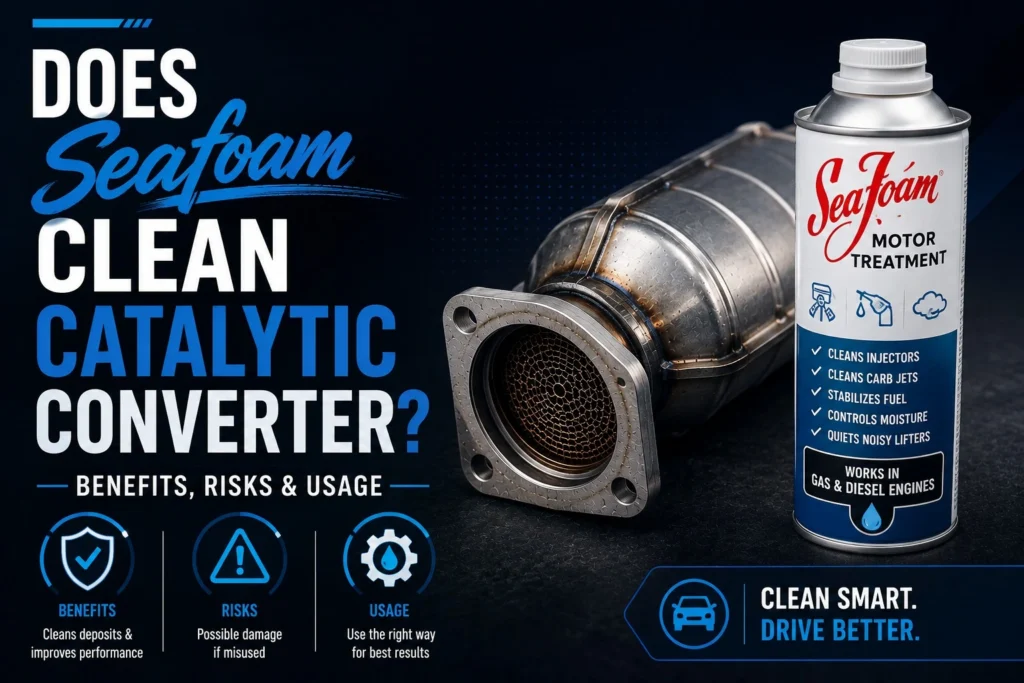
Does Seafoam Clean Catalytic Converter: Benefits, Risks & Usage

Does Seafoam Clean Catalytic Converter: Benefits, Risks & Usage SeaFoam can clean the catalytic converter and help reduce carbon buildup that contributes to catalytic converter clogging, but it will not dissolve or repair a converter that has already failed mechanically. Seafoam works best as a preventive treatment and a mild decarbonizing agent rather than a…
Read Full Article → Does Seafoam Clean Catalytic Converter: Benefits, Risks & Usage

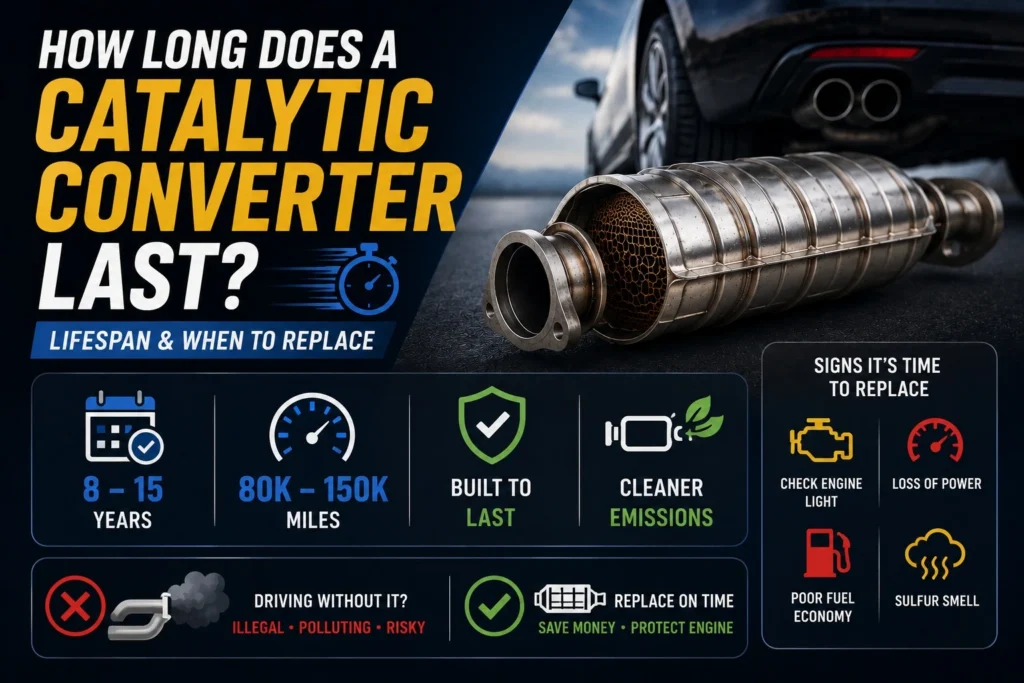
How Long Does a Catalytic Converter Last

How Long Does a Catalytic Converter Last? Lifespan & When to Replace A catalytic converter typically lasts between 70,000 and 100,000 miles under normal driving conditions, though many well maintained vehicles push that number well past 150,000 miles. How long a catalytic converter lasts depends heavily on engine health, fuel quality, and whether other components…
Read Full Article → How Long Does a Catalytic Converter Last

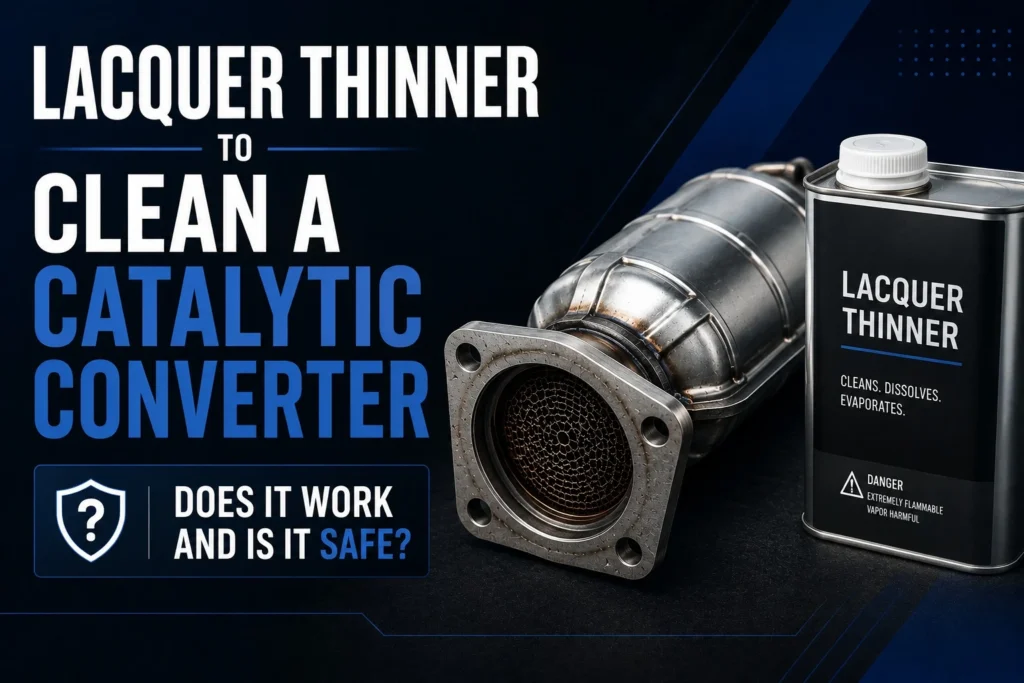
Can You Use Lacquer Thinner to Clean a Catalytic Converter? Does It Work or Damage Your Car?

Lacquer Thinner to Clean Catalytic Converter: Does It Work and Is It Safe? Using lacquer thinner to clean a catalytic converter is a technique that circulates in many automotive forums. While the idea sounds convincing, there’s very little evidence that it works. It can introduce risks that far outweigh any potential benefit and not something…
Read Full Article → Can You Use Lacquer Thinner to Clean a Catalytic Converter? Does It Work or Damage Your Car?

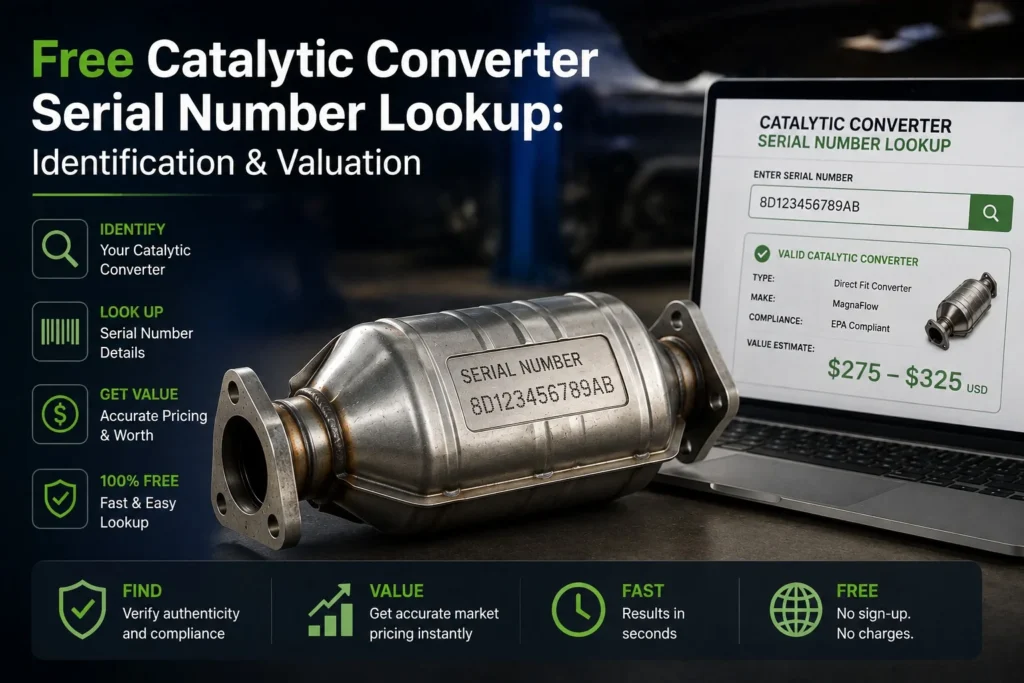
Free Catalytic Converter Serial Number Lookup: Identification & Valuation

Free Catalytic Converter Serial Number Lookup: Identification & Valuation A free catalytic converter serial number lookup lets you identify the exact model, metal composition, and estimated scrap value of your converter using the numbers stamped directly on its shell. Services like Eco Cats, Cat Scrap Value, and RCM Serial Search accept these numbers and return…
Read Full Article → Free Catalytic Converter Serial Number Lookup: Identification & Valuation

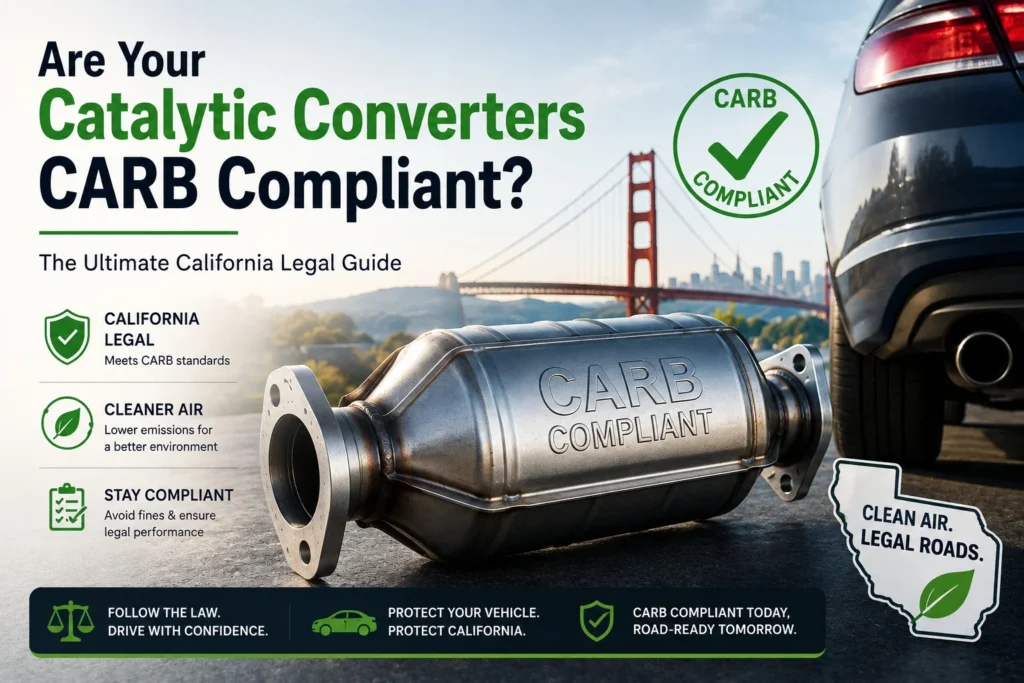
Are Your Catalytic Converters CARB Compliant? The Ultimate California Legal Guide

Are Your Catalytic Converters CARB Compliant? The Ultimate Legal Guide A carb compliant catalytic converter is one tested and approved by the California Air Resources Board, carrying an executive order number stamped on the shell that proves it meets the state’s stricter emissions standards. If your converter lacks this stamped EO number and you drive…
Read Full Article → Are Your Catalytic Converters CARB Compliant? The Ultimate California Legal Guide

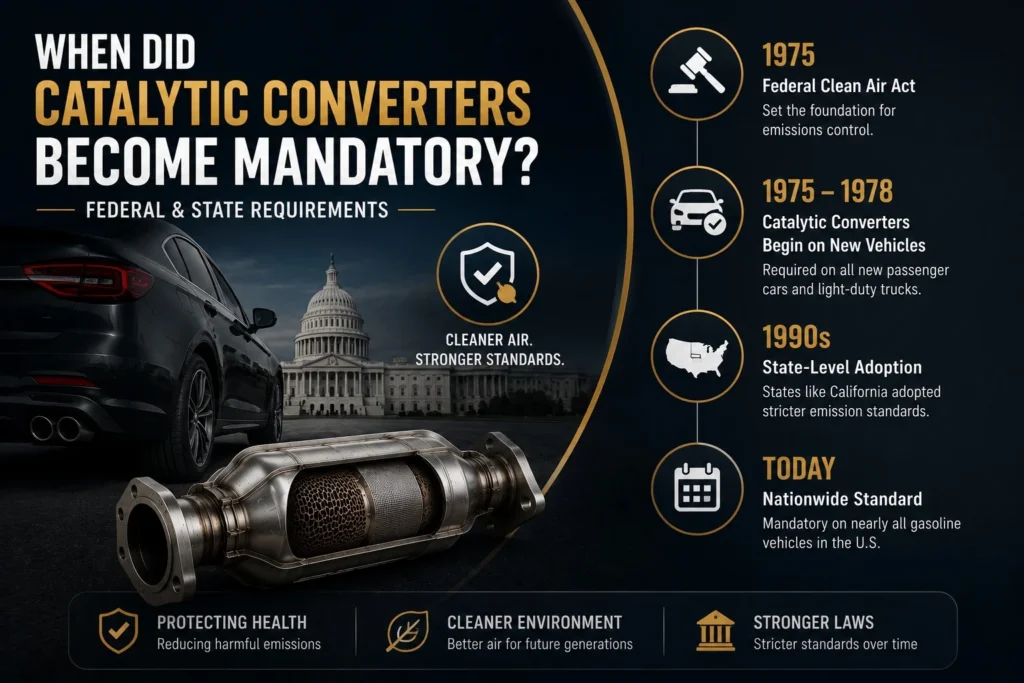
When did catalytic converters become mandatory?

When Did Catalytic Converters Become Mandatory? Federal & State Requirements Catalytic converters became mandatory on new gasoline powered cars sold in the United States starting with the 1975 model year, under federal Clean Air Act regulations enforced by the EPA. That federal requirement never went away, and it still applies to every vehicle built since,…
Read Full Article → When did catalytic converters become mandatory?

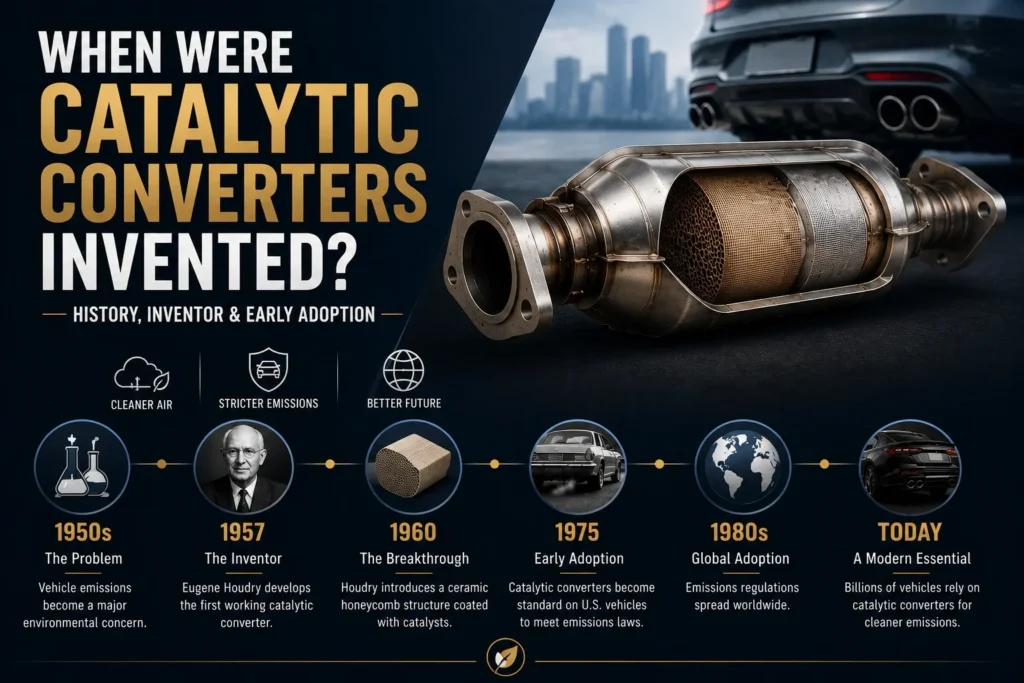
When Were Catalytic Converters Invented? History & Inventor Explained

When Was Catalytic Converter Invented? History, Inventor & Early Adoption Catalytic converters were invented in the 1950s, when French mechanical engineer Eugene Houdry patented an early exhaust cleaning design, but they did not appear on production cars until the 1975 model year. The gap between invention and adoption came down to one stubborn problem: leaded…
Read Full Article → When Were Catalytic Converters Invented? History & Inventor Explained

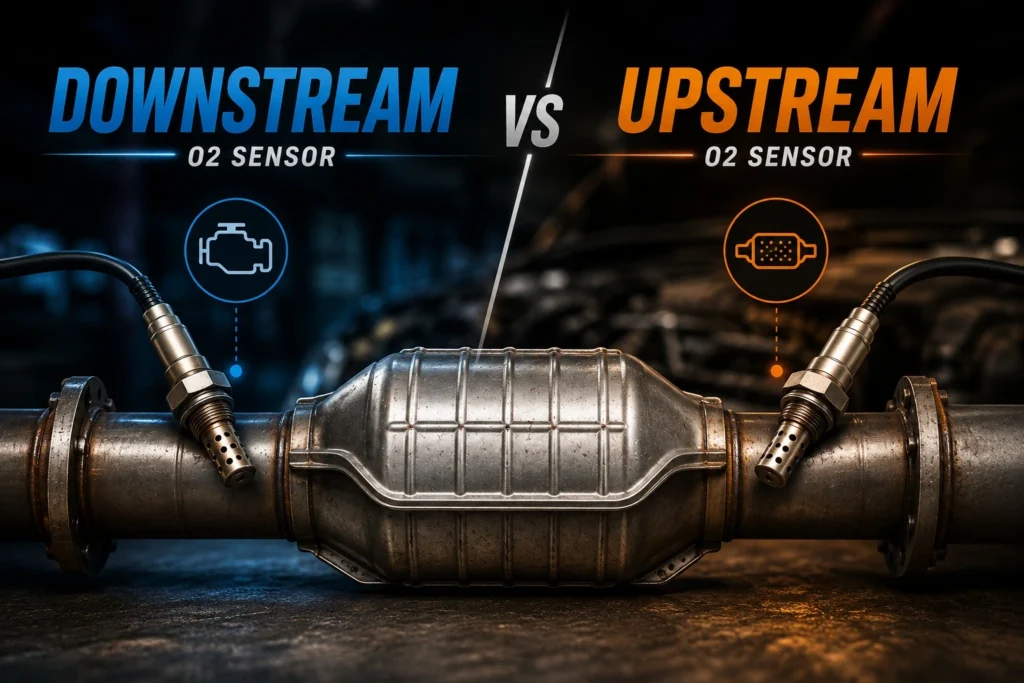
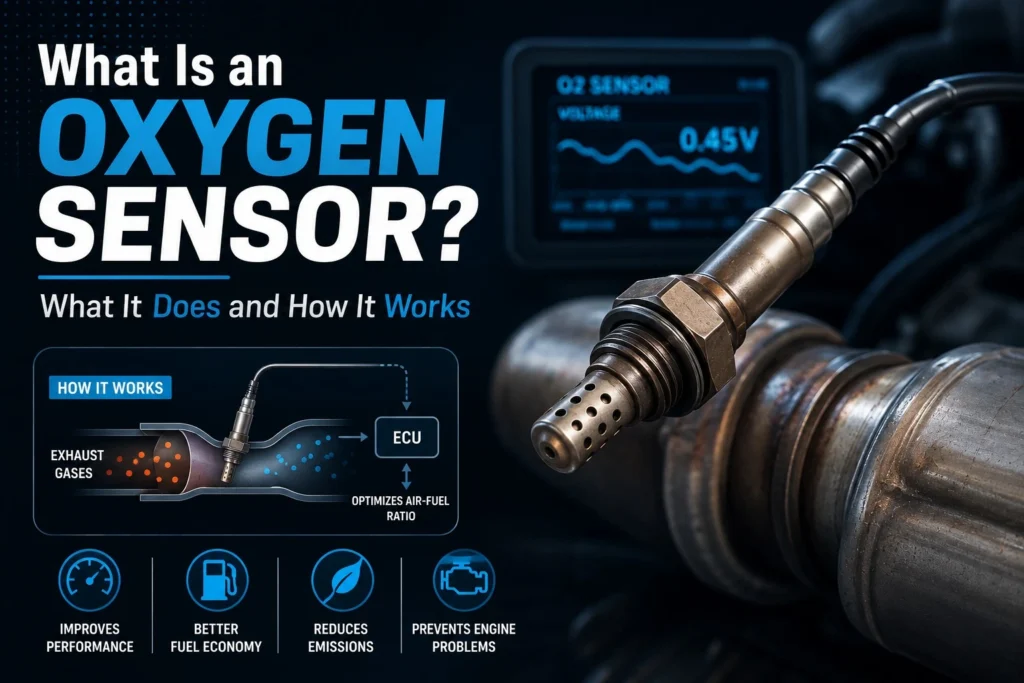
What’s the Difference Between Downstream vs Upstream O2 Sensor?

Downstream vs Upstream O2 Sensor: What’s the Difference? An upstream O2 sensor sits before the catalytic converter and helps the engine computer manage the air and fuel mixture, while a downstream O2 sensor sits after the converter and mainly checks how effectively the converter is processing exhaust gases. On most vehicles, Sensor 1 identifies the…
Read Full Article → What’s the Difference Between Downstream vs Upstream O2 Sensor?

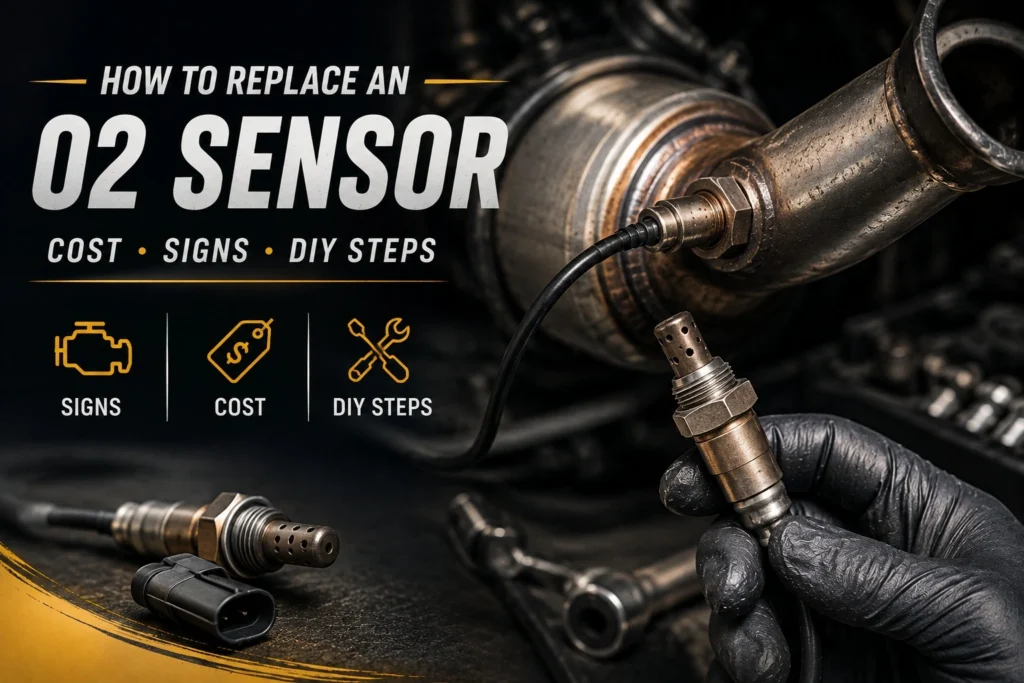
How to Replace an Oxygen (Lambda) Sensor: Cost, Signs & DIY Steps: Lambda Sensor Change Guide

How to Replace an Oxygen (Lambda) Sensor: Cost, Signs & DIY Steps: Lambda Sensor Change Guide A lambda sensor change means removing a failed oxygen sensor from the exhaust system and installing the correct replacement in the same position. For many vehicles, the job can be handled at home with an oxygen sensor socket, safe…
Read Full Article → How to Replace an Oxygen (Lambda) Sensor: Cost, Signs & DIY Steps: Lambda Sensor Change Guide

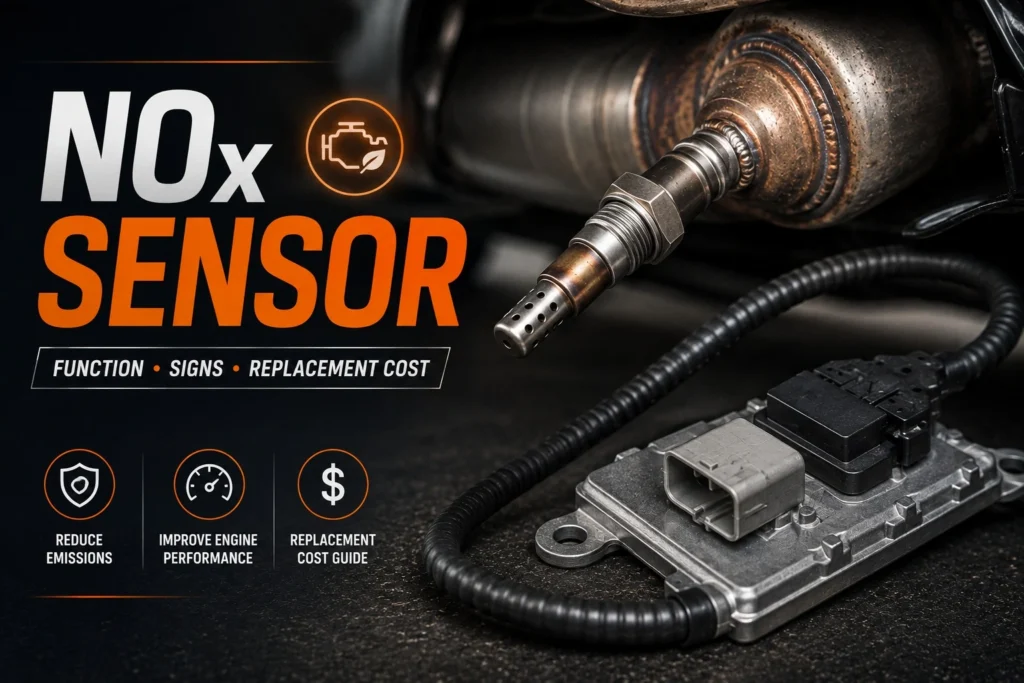
Comprehensive Guide to Your NOx Sensor? Function, Failure Signs & Replacement Cost

Comprehensive Guide to Your NOx Sensor Function, Failure Signs & Replacement Cost A NOx sensor measures nitrogen oxide levels in the exhaust so the engine and emissions control system can manage selective catalytic reduction, verify catalyst performance, and detect emissions faults. A failing NOx sensor can trigger a check engine light, emissions warnings, incorrect diesel…
Read Full Article → Comprehensive Guide to Your NOx Sensor? Function, Failure Signs & Replacement Cost

Are Electric Cars Really Better for the Environment? The Complete Answer

Are Electric Cars Really Better for the Environment? The Complete Answer For drivers asking if electric cars are better for the environment, the honest answer is usually yes when the full vehicle lifecycle is considered. Electric cars normally create more emissions during manufacturing because battery production is energy and material intensive, but they avoid tailpipe…
Read Full Article → Are Electric Cars Really Better for the Environment? The Complete Answer

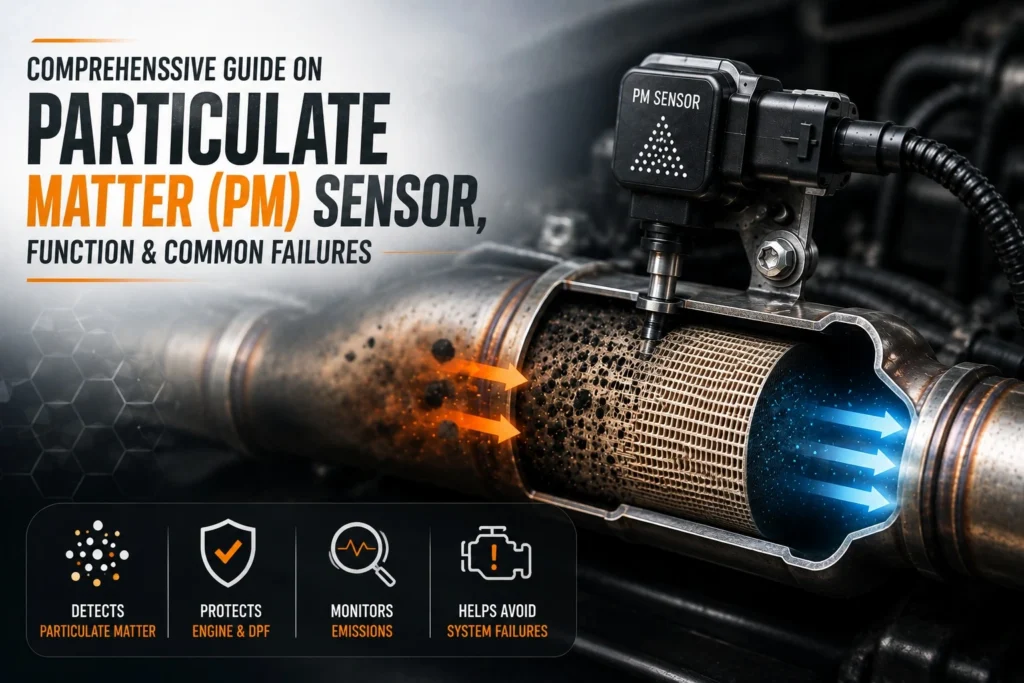
Comprehensive Guide on Particulate Matter (PM) Sensor, Function & Common Failures

Comprehensive Guide on Particulate Matter (PM) Sensor, Function & Common Failures A particulate matter sensor is an exhaust monitoring device that checks how much soot is escaping from the diesel particulate filter and helps the engine control system verify that the filter is doing its job. The PM sensor sits downstream of the filter on…
Read Full Article → Comprehensive Guide on Particulate Matter (PM) Sensor, Function & Common Failures

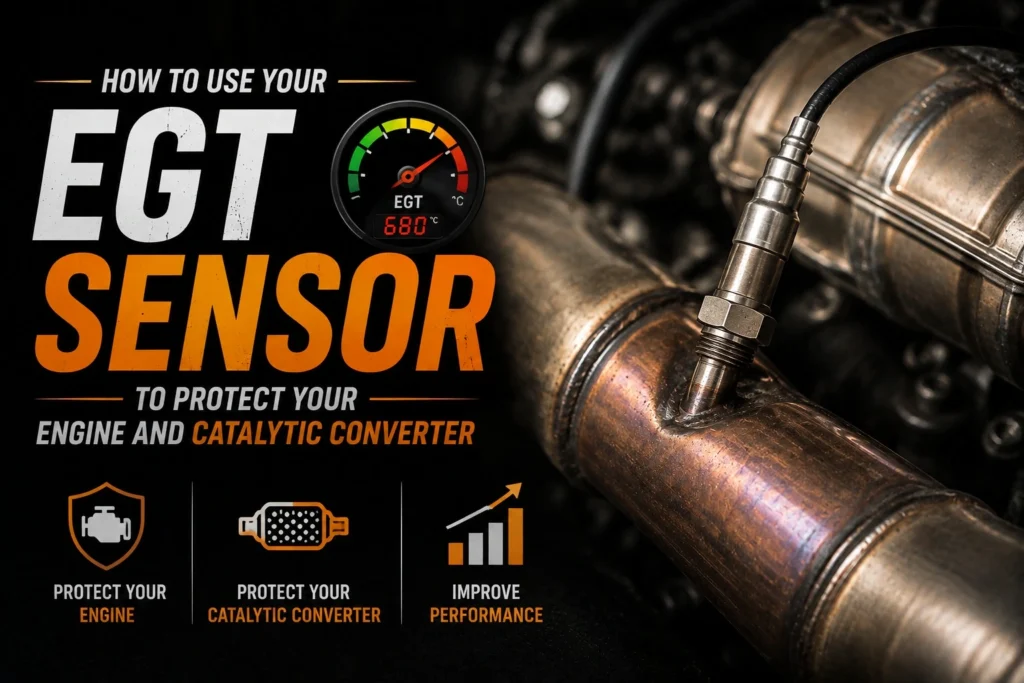
How to Use Your EGT Sensor to Protect Your Engine and Catalytic Converter

How to Use Your EGT Sensor Protect Your Engine and Catalytic Converter Your EGT sensor is an early warning device for heat inside the exhaust system. By reporting exhaust gas temperature to the engine control unit, it helps the vehicle protect the turbocharger, catalytic converter, diesel particulate filter, and other heat sensitive components before excessive…
Read Full Article → How to Use Your EGT Sensor to Protect Your Engine and Catalytic Converter

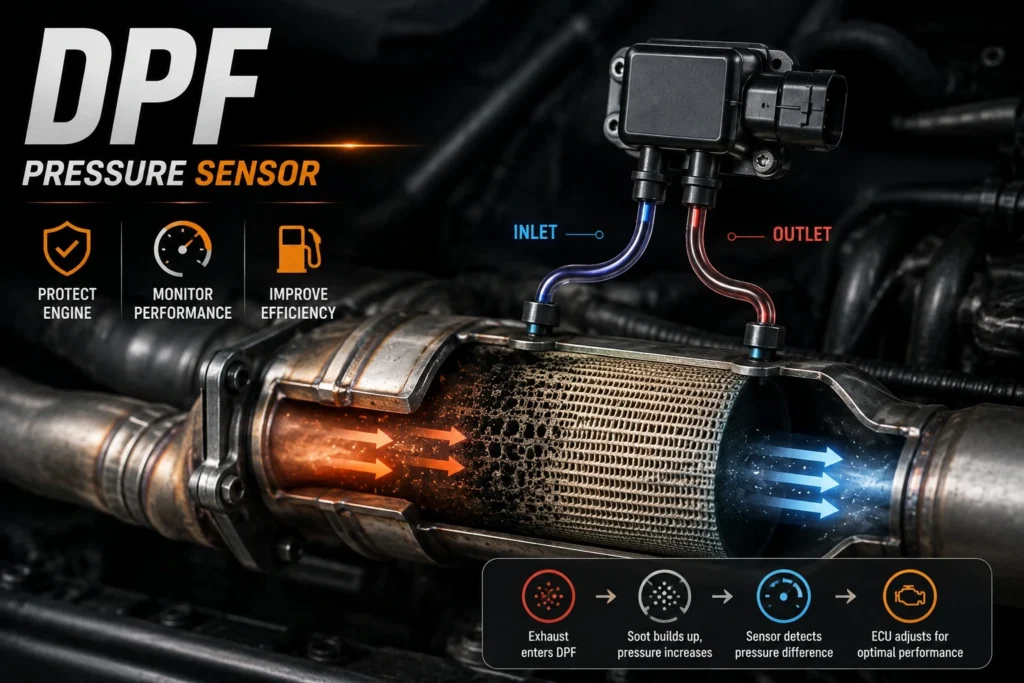
How Does a DPF Differential Pressure Sensor Work? A Comprehensive Guide

How Does a DPF Differential Pressure Sensor Work? A Comprehensive Guide A DPF pressure sensor measures the pressure difference across a diesel particulate filter so the engine control module can estimate how restricted the filter is. On most systems, pressure is sampled before and after the filter, then the sensor converts that difference into an…
Read Full Article → How Does a DPF Differential Pressure Sensor Work? A Comprehensive Guide

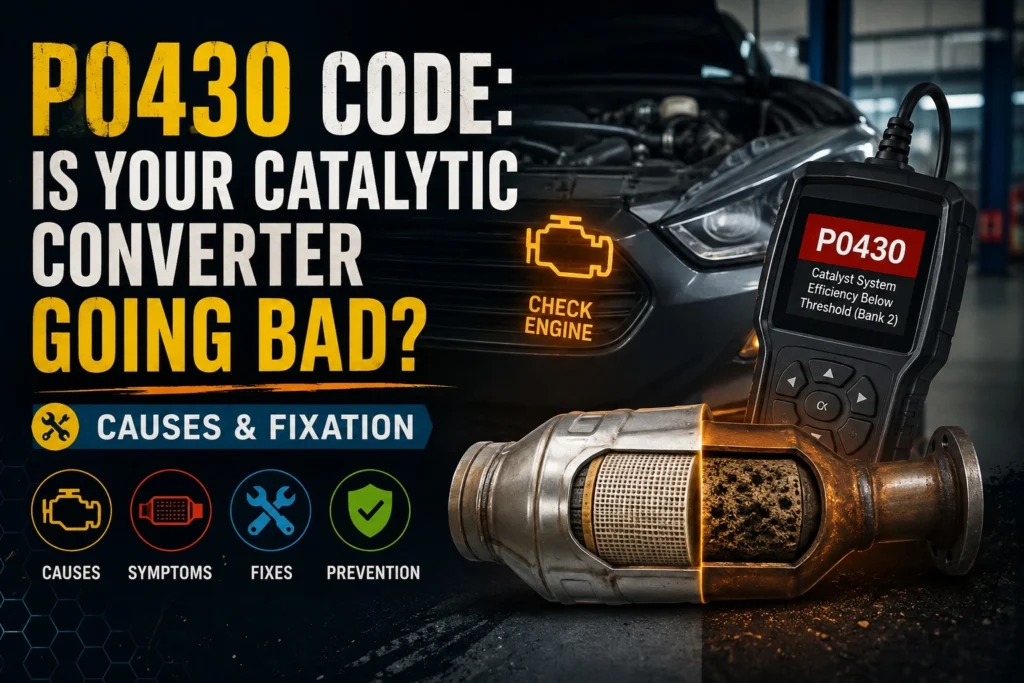
Comprehensive Guide on P0430 Code: Causes, Symptoms, Diagnosis & Fixation

Comprehensive Guide on P0430 Code: Causes, Symptoms, Diagnosis & Fixation The p0430 code means your vehicle’s computer has detected that the catalytic converter on the Bank 2 side of the engine is no longer cleaning up exhaust gases as efficiently as it should. This is officially known as p0430 catalyst system efficiency below threshold bank…
Read Full Article → Comprehensive Guide on P0430 Code: Causes, Symptoms, Diagnosis & Fixation

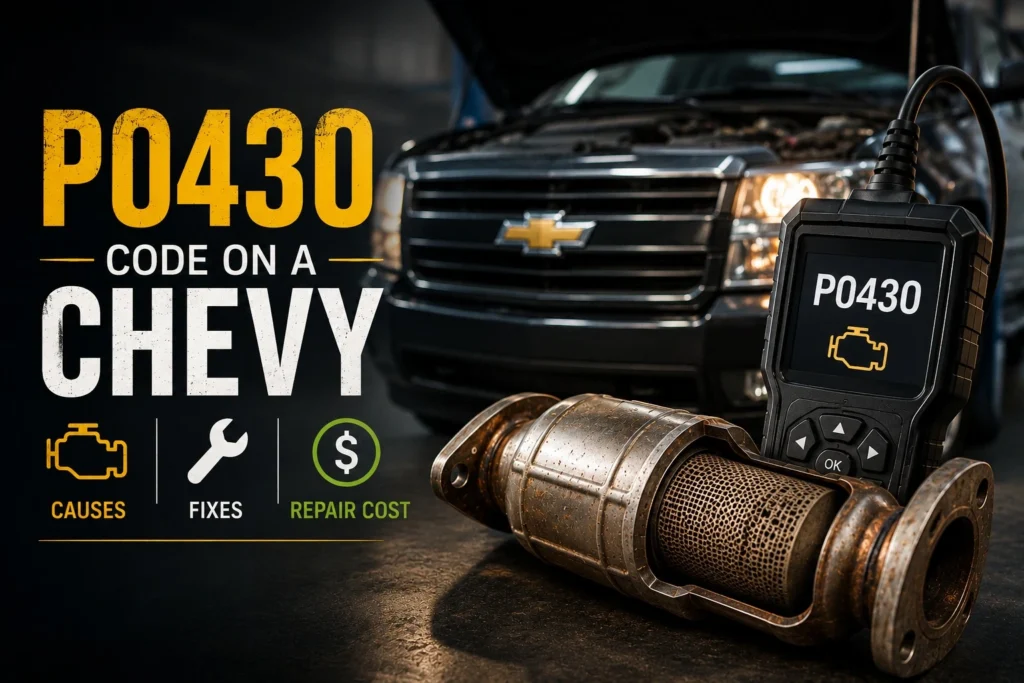
Detailed Guide on P0430 Code on a Chevy: Causes, Fixes & Repair Cost

Detailed Guide on P0430 Code on a Chevy: Causes, Fixes & Repair Cost A p0430 ford code means the powertrain control module has detected that the Bank 2 catalytic converter is not cleaning up exhaust gases efficiently enough, but on Ford vehicles this code is frequently caused by a failing oxygen sensor, a loose exhaust…
Read Full Article → Detailed Guide on P0430 Code on a Chevy: Causes, Fixes & Repair Cost

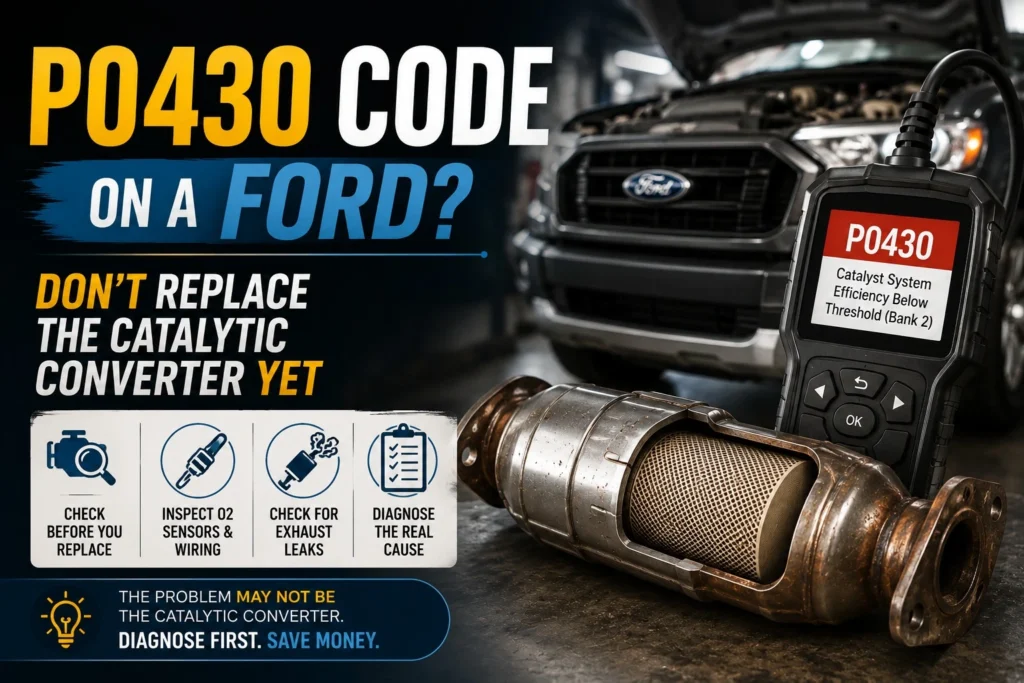
Have a P0430 Code on a Ford? Don’t Replace the Catalytic Converter Yet

Have a P0430 Code on a Ford? Don’t Replace the Catalytic Converter Yet A p0430 ford code means the powertrain control module has detected that the Bank 2 catalytic converter is not cleaning up exhaust gases efficiently enough, but on Ford vehicles this code is frequently caused by a failing oxygen sensor, a loose exhaust…

Read Full Article → Have a P0430 Code on a Ford? Don’t Replace the Catalytic Converter Yet