The Ultimate Guide to High-Flow Catalytic Converters: Benefits, Costs, and Performance Overview
A high flow catalytic converter lets exhaust gases pass through with less restriction than a stock unit, which frees up horsepower and improves exhaust sound without removing emissions control entirely. It uses a less dense substrate and a larger cell count so spent gases move faster while still converting harmful pollutants into less toxic compounds. Drivers usually install one after adding an aftermarket exhaust, intake, or tune, since a restrictive stock cat can choke those upgrades. The tradeoff is reduced emissions efficiency compared to a stock converter, which matters for inspections in strict states. Whether it is worth it depends on your goals, your local laws, and how your car is built.

James Mitchell
Senior Automotive Writer
12+ years writing clear, practical guides on vehicle maintenance and emissions systems.
What a High Flow Catalytic Converter Actually Does to Your Exhaust
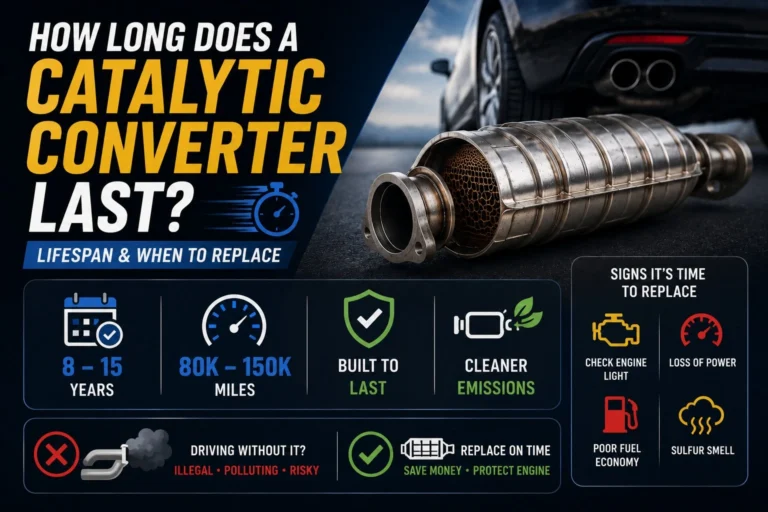
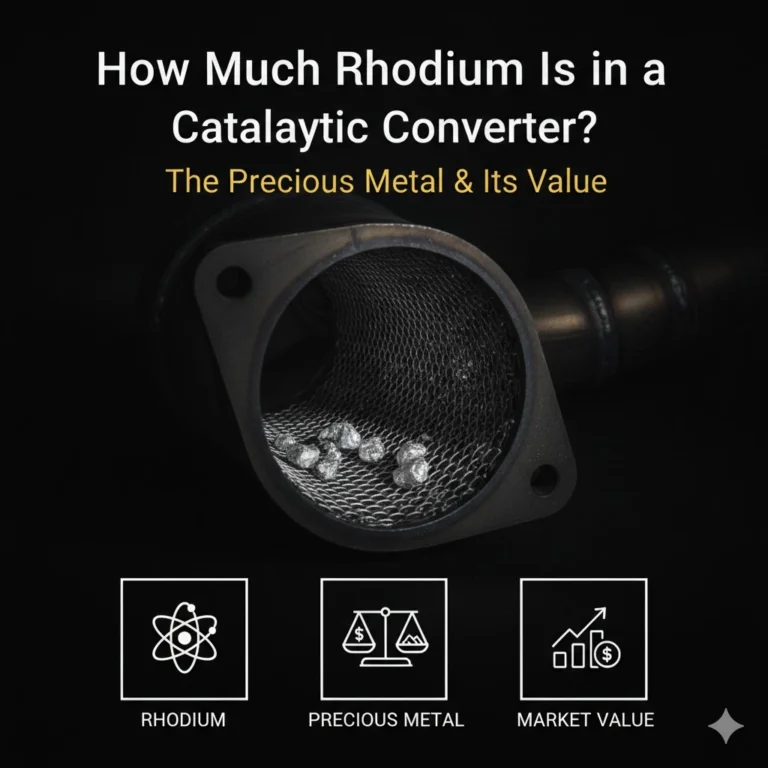
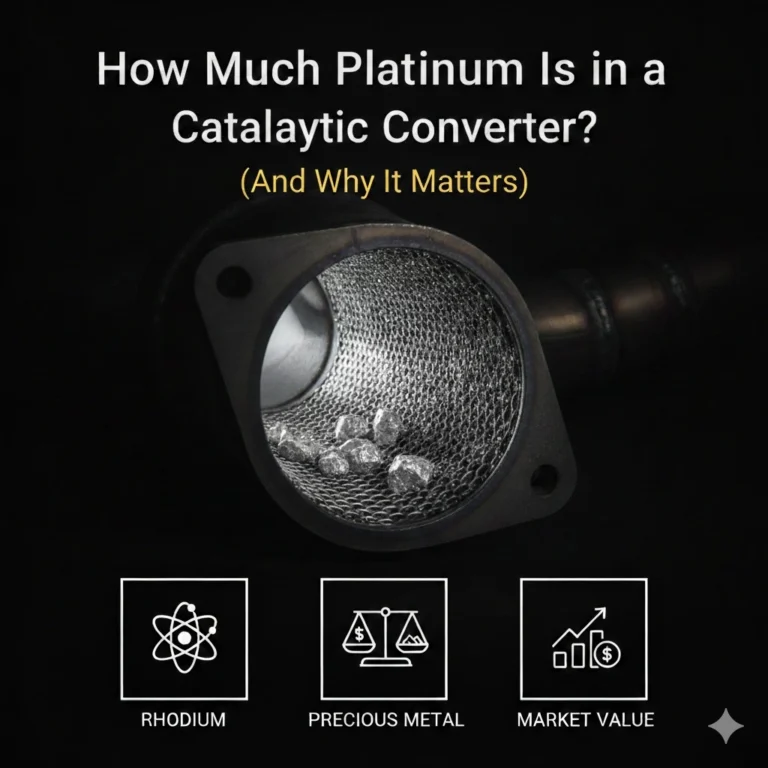
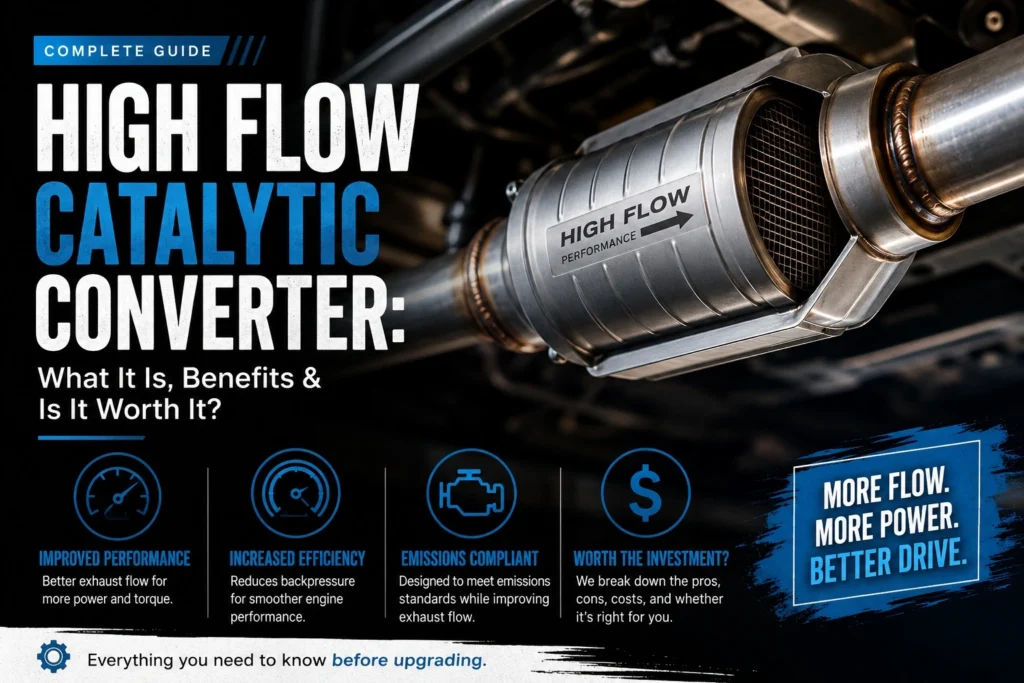
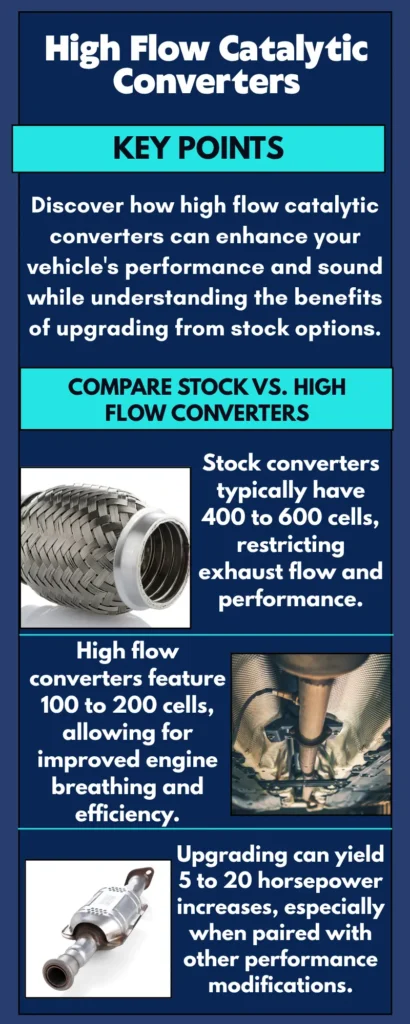
Inside any catalytic converter sits a ceramic or metal honeycomb structure called a substrate, coated with precious metals like platinum, palladium, and rhodium that trigger a chemical reaction. That reaction converts carbon monoxide, unburned hydrocarbons, and nitrogen oxides into carbon dioxide, water vapor, and nitrogen before the gases exit the tailpipe. A stock converter packs that substrate tightly with a high cell density, often 400 to 600 cells per square inch, to maximize contact time between exhaust and the catalyst coating. A high flow catalytic converter uses a lower cell density, typically 100 to 200 cells per square inch, or switches to a metallic substrate instead of ceramic. Fewer, larger cells mean less surface area for backpressure to build, so exhaust gases exit the engine faster. This is the core idea behind every performance catalytic converter on the market: trade a small amount of emissions scrubbing efficiency for a meaningful reduction in restriction. The engine does not have to work as hard pushing spent gases out, which is the same reason aftermarket headers and cat back exhaust systems exist. Because the catalyst coating is still present, a properly built high flow cat converter still cleans exhaust gases, just not quite as thoroughly as a tightly packed stock unit.
Stock vs High Flow Catalytic Converter: What Really Changes Under the Car
Comparing a high flow catalytic converter vs stock unit side by side shows the differences are mostly about density, material, and how much restriction each design allows. A stock converter is engineered first for emissions compliance and durability across well over 100,000 miles, while a high flow Catalytic Converter is engineered first for flow, with emissions performance kept just inside legal limits. Below is a side by side look at how the two typically compare.
|
Feature |
Stock Catalytic Converter |
High Flow Catalytic Converter |
|---|---|---|
|
Cell Density |
400 to 600 cells per square inch |
100 to 200 cells per square inch |
|
Primary substrate material |
Ceramic honeycomb |
Ceramic or metallic substrate |
|
Backpressure |
Higher |
Lower |
|
Emissions efficiency |
Maximized for compliance |
Reduced but still functional |
|
Typical horsepower gain |
None, baseline |
5 to 20 horsepower depending on setup |
|
Best suited for |
|
|
|
Sound |
Quieter, more muffled |
Slightly louder, throatier tone |
In practice, the gap only matters once the rest of the exhaust system can actually use the extra flow. Bolting a high performance catalytic converter onto an otherwise stock engine with a stock exhaust and stock intake rarely produces a noticeable difference, because the factory cat was never the only bottleneck. The gains show up when paired with supporting modifications such as a cat back exhaust, a cold air intake, or a tune that adjusts fueling and timing for the reduced backpressure. Without those changes, you are mostly paying for a marginally louder exhaust note and a small amount of insurance against future bottlenecks.
The Real Benefits Drivers Notice After Installing High Flow Catalytic Converter
More Horsepower and a Throatier Exhaust Note
Most owners install a high flow catalytic converter expecting a horsepower number, and on a moderately built engine the realistic gain is somewhere between 5 and 20 horsepower at the wheels, with naturally aspirated engines seeing smaller numbers and turbocharged or supercharged engines seeing more. Turbocharged cars benefit more because reduced backpressure helps the turbo spool faster and lets spent gases clear the cylinder more completely between strokes. The exhaust note also changes noticeably, picking up a deeper, slightly raspier edge that many drivers find more satisfying than a stock setup. This is one of the most common reasons people search for a performance catalytic converter in the first place, even before they fully understand the flow benefits underneath the sound.
Better Flow for Modified and High Output Engines
If you have already added forced induction, a larger turbo, or built the engine for more airflow, the stock catalytic converter often becomes the tightest restriction point in the entire exhaust path. A high performance catalytic converter removes that bottleneck so the rest of your investment in intake, exhaust, and tuning actually pays off instead of fighting against a factory part designed for a stock power level. This matters most on engines making meaningfully more power than they left the factory with, where every restriction point compounds and starts capping how much boost or RPM the engine can safely use. On a mild build, the difference is far smaller, which is why matching the upgrade to your actual power goals matters more than chasing the biggest part available.
Is a High Flow Cat Legal Where You Drive?
Federal EPA Rules vs State Specific Laws
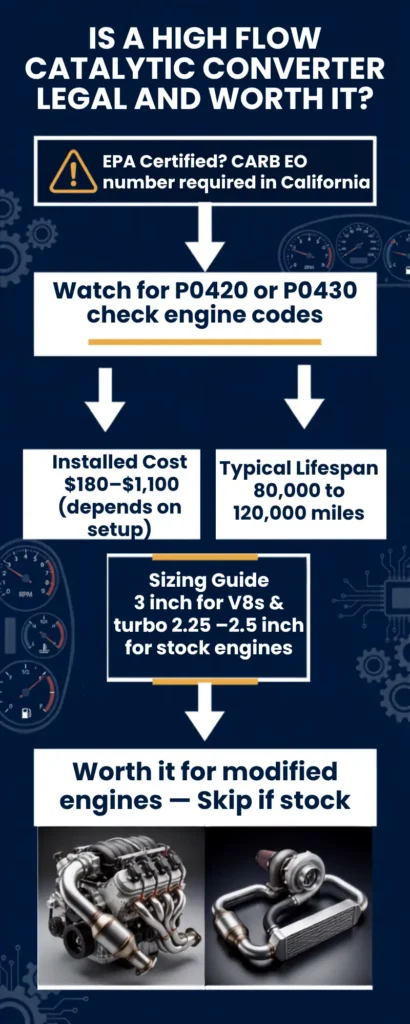
Under federal EPA rules, tampering with or removing emissions equipment on a vehicle used on public roads is illegal, and that includes installing a catalytic converter that does not meet the emissions standard for your vehicle’s model year and weight class. Legitimate high flow cats sold for street use are EPA compliant and carry a Certificate of Conformity along with an EO number if they are sold in California, which has its own stricter standard through CARB. States with their own emissions testing programs, including California, New York, and Colorado, often enforce these rules more aggressively than federal inspectors do, and an uncertified converter can fail a visual or OBD-II based inspection even if the car runs perfectly fine. Always check your specific state’s current emissions requirements before buying, since they change and vary significantly by location.
I had a customer bring in a daily driven Civic that kept failing state inspection no matter what we tried, and it turned out the high flow catalytic converter a previous shop installed was a non certified unit bought online without any EO number. The car ran fine and the check engine light was off, but the inspection station’s sniffer caught the elevated readings instantly. We swapped it for a certified replacement of the same size, and it passed on the next visit with no other changes. That one swap cost him more in labor than the part itself, simply because nobody checked compliance before installing it.
How Inspectors and OBD-II Systems Catch Illegal Setups
Every car built after 1996 runs OBD-II diagnostics that monitor catalytic converter efficiency through oxygen sensors placed before and after the cat. If a high flow cat converter falls below the efficiency threshold the factory programming expects, it can trigger a P0420 or P0430 code and illuminate the check engine light, which is an automatic failure at most inspection stations regardless of tailpipe readings. Some states also perform a visual underbody check looking for the required EPA or CARB sticker on the converter housing. This is why buying a certified unit sized correctly for your engine matters far more than buying the cheapest option available.
3 Inch High Flow Catalytic Converter: When Bigger Piping Makes Sense
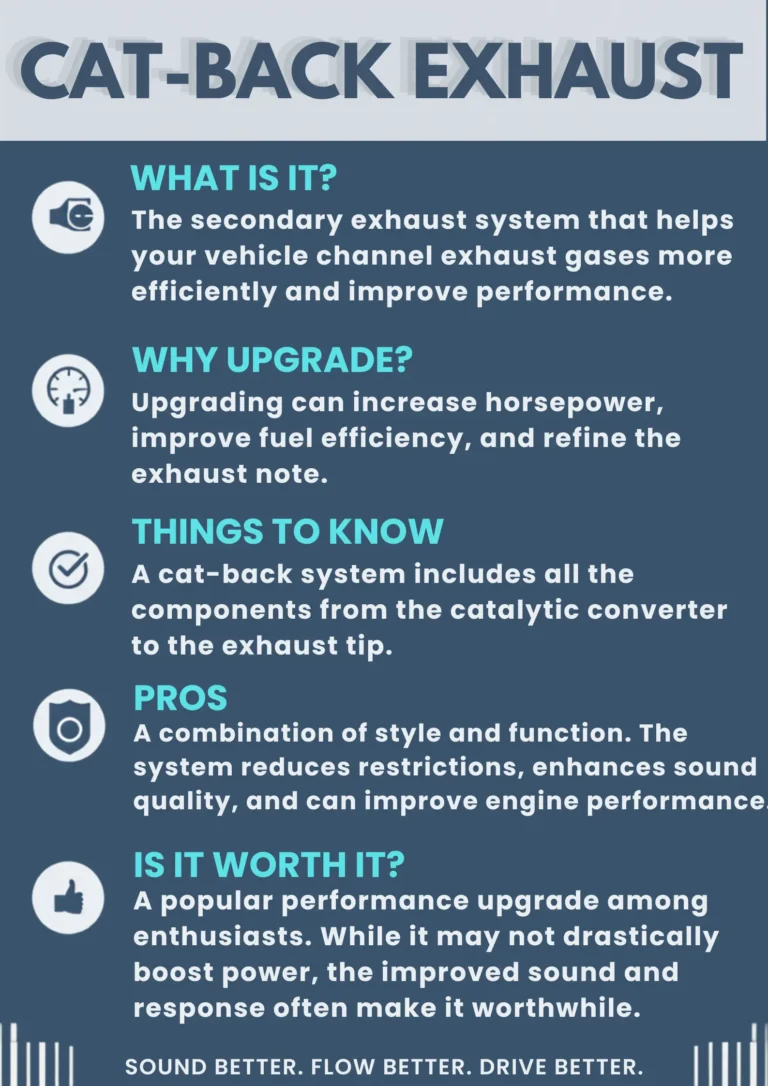
A 3 inch high flow catalytic converter refers to the diameter of the piping connecting into and out of the converter, not the size of the unit’s body, and matching pipe diameter to your engine’s actual exhaust flow needs is one of the most overlooked parts of choosing a cat. Most factory four cylinder and smaller V6 engines flow well through 2.25 to 2.5 inch piping, and stepping up to 3 inches on an engine that does not produce enough exhaust volume can actually hurt performance by slowing gas velocity and reducing low end torque. Where a 3 inch unit makes sense is on larger displacement V8s, heavily turbocharged engines, or builds already running 3 inch exhaust throughout, since matching diameters keeps gas velocity consistent and avoids creating a bottleneck at the connection point. Going oversized on a mild engine is a common mistake people make when they assume bigger always means more power, when in reality matching the converter to the rest of your exhaust system’s diameter and your engine’s actual output is what determines whether it helps or hurts.
Cost, Installation, and What to Expect at the Shop
Cost varies a lot depending on vehicle, cat size, and whether you choose a universal fit or direct fit unit, and labor adds a meaningful amount on top of the part itself if you are not installing it yourself. The table below gives a realistic range for common scenarios.
|
|
|
|
|
|---|---|---|---|
|
Universal fit single high flow cat |
$80 to $200 |
$100 to $200 |
$180 to $400 |
|
Direct fit high flow cat, factory style |
$150 to $400 |
$80 to $150 |
$230 to $550 |
|
High flow cat for V8 or turbo build |
$250 to $600 |
$150 to $300 |
$400 to $900 |
|
Dual setup, two converters |
$300 to $700 |
$200 to $400 |
$450 to $950 |
|
3 inch high flow cat with custom piping |
$200 to $500 |
$250 to $450 |
$450 to $950 |
Installation itself is a straightforward exhaust job for any competent shop, typically involving cutting out the old section, welding or clamping in the new converter, and checking for leaks once the car is running. Direct fit units cost more upfront but save labor time since they bolt into the factory hangers and flanges without custom fabrication. If you are comfortable with a saw, a welder, and jack stands, installing a universal fit high flow Catalytic Converter yourself is a realistic weekend project for anyone with basic exhaust experience.
Is High Flow Catalytic Converter Worth It? Weighing the Tradeoffs Honestly
A high flow catalytic converter is worth it if you have already modified your intake, exhaust, or engine output enough that the stock converter has become a genuine restriction, and you live somewhere that either does not test emissions strictly or sells certified units that will pass. It is not worth it if your car is otherwise stock, since you will pay for a part that the rest of your exhaust system cannot fully take advantage of, and you risk a failed inspection if the unit is not properly certified for your state. Consider your actual goals first: chasing a slightly deeper exhaust note is a different decision than supporting a turbo upgrade that genuinely needs the extra flow. For most daily driven, lightly modified vehicles, a quality direct fit unit from a reputable brand offers the best balance of legal compliance, durability, and a noticeable but not dramatic improvement. Buy based on your engine’s actual needs rather than the biggest or loudest option on the shelf.
James Mitchell
Senior Automotive Writer
12+ years writing clear, practical guides on vehicle maintenance and emissions systems.
Frequently Asked Questions
Conclusion:
A high flow catalytic converter makes the most sense once the rest of your engine and exhaust setup is actually built to use the extra flow, not as a standalone upgrade on an otherwise stock car. Buy a certified unit sized correctly for your engine, confirm your state’s emissions rules first, and pair it with supporting modifications if horsepower is the goal. Done right, it is a reasonable, legal way to free up exhaust flow without sacrificing the catalytic converter’s core job.