How to Use Your EGT Sensor Protect Your Engine and Catalytic Converter
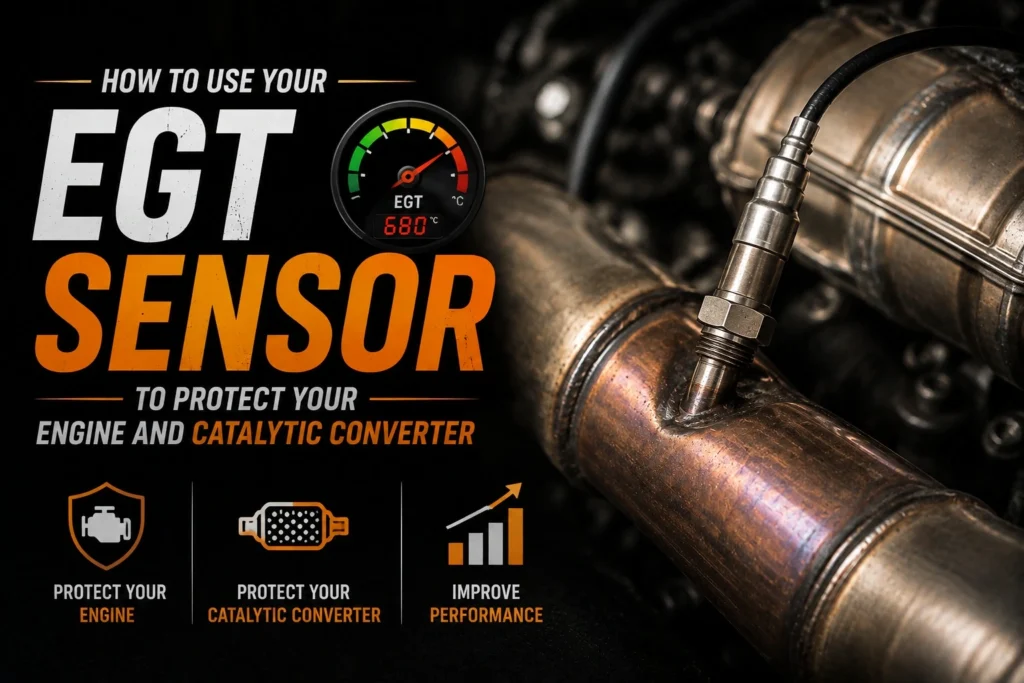
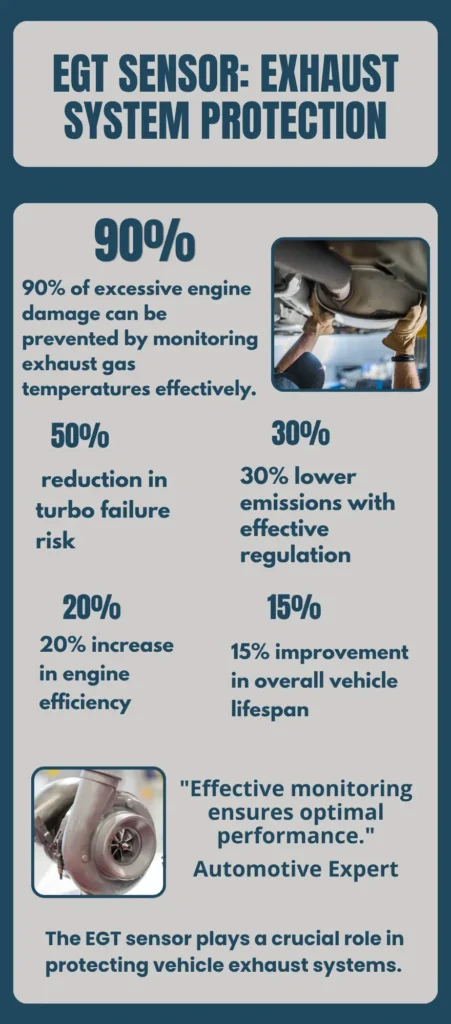
Your EGT sensor is an early warning device for heat inside the exhaust system. By reporting exhaust gas temperature to the engine control unit, it helps the vehicle protect the turbocharger, catalytic converter, diesel particulate filter, and other heat sensitive components before excessive temperature causes damage. The useful part for an owner is not chasing one magic temperature, but watching whether readings are believable, whether they rise and fall with engine load, and whether fault codes or abnormal values appear. A healthy exhaust gas temperature sensor gives the control system the information it needs to manage fuel, boost, regeneration, and thermal protection.

James Mitchell
Senior Automotive Writer
12+ years writing clear, practical guides on vehicle maintenance and emissions systems.
What an EGT Sensor Protects and Why the Reading Matters
An EGT sensor measures temperature in the exhaust stream and sends that information to the engine control unit. Depending on its location, the exhaust temperature sensor can help the computer protect the turbocharger, manage diesel particulate filter regeneration, monitor catalyst temperature, and keep exhaust aftertreatment within a safe operating window. The sensor is therefore more than a dashboard number. It is part of the feedback the vehicle uses to decide when engine or emissions operating conditions need to change.
The exact job depends on where the exhaust gas temperature sensor is installed. A vehicle may use several sensors because temperature before a turbocharger means something different from temperature around a particulate filter. On some systems, the engine control unit can react to a high reading by changing fueling, valve timing, or turbo boost.
| Sensor position | What the reading helps monitor | Why it matters |
|---|---|---|
| Before turbocharger | Temperature entering the turbine area | Flags excessive heat near turbo components |
| After turbocharger | Temperature leaving the turbine area | Shows downstream thermal conditions |
| Before catalytic converter | Heat entering the catalyst | Shows abnormal heat entering the converter |
| Before diesel particulate filter | Temperature available for regeneration | Supports regeneration temperature control |
| After diesel particulate filter | Temperature leaving the filter | Shows post regeneration thermal behavior |
How to Use EGT Sensor Data Without Chasing One Magic Number
Watch the pattern before the peak
The most useful way to interpret EGT sensor data is to watch the pattern. Temperature should rise as engine load increases, then fall as load drops and the exhaust cools. A fixed value, a reading that never changes, or one sensor that behaves very differently from nearby sensors deserves attention. Compare only sensors serving similar locations. The same idea applies to other exhaust sensors, such as an oxygen sensor or a NOx sensor.
Use scan data together with operating conditions
A scan tool that displays live exhaust gas temperature makes diagnosis easier. Check readings with a cold engine, during warmup, and under moderate load when safe. After a long cold soak, several sensors should begin near ambient temperature. As the engine runs, values should respond logically. Look for an implausible or unresponsive reading rather than forcing every sensor to match.
Respect the difference between gasoline and diesel strategies
Diesel vehicles commonly use exhaust gas temperature data to manage particulate filter regeneration, while gasoline and diesel applications may also use temperature feedback to protect catalysts and turbochargers. The strategy varies by engine, so compare live data with service information for the exact vehicle before condemning a sensor from a generic chart.
Failure Signs That Point to the EGT Sensor or Its Circuit
A failed EGT sensor can trigger the check engine light, but the light alone does not prove the sensor element is bad. Wiring damage, connector corrosion, heat damaged insulation, an open circuit, a short circuit, or a control module issue can create similar symptoms. The fastest path is to read the stored OBD II codes, inspect the circuit, and then compare live temperature data with what the engine is actually doing.
| What you notice | Possible temperature signal issue | Best next check |
|---|---|---|
| Check engine light | Stored fault for the EGT sensor circuit | Read codes and freeze frame data |
| Reading fixed at one value | Open circuit, short circuit, failed sensor, or scan data issue | Inspect wiring and verify the signal |
| One sensor looks far colder than expected | Sensor or circuit may be reporting incorrectly | Compare nearby sensors under the same condition |
| Regeneration does not complete | Temperature feedback may be missing or implausible | Check related faults before blaming the filter |
| Reduced power under load | Control unit may be limiting operation because of temperature information | Compare temperature with boost, fueling, and codes |
A mechanic style example from the bay
I once had a diesel pickup come in after repeated regeneration warnings and a loss of power. The owner had already priced a particulate filter because the scan tool showed one temperature staying cold while the other sensors climbed normally. Before replacing anything expensive, I inspected the harness near the exhaust and found the insulation cooked where it had rested against a hot shield. The sensor itself tested normally once the wiring was repaired. That repair restored believable temperature data and normal regeneration behavior. The lesson was simple: an odd EGT sensor reading is a diagnostic clue, not automatic proof that the sensor needs replacement.
How the EGT Sensor Helps Protect the Catalytic Converter
Catalytic converters need heat to work, but uncontrolled heat can damage the substrate and shorten converter life. An exhaust sensor that reports temperature gives the control system a way to recognize when thermal conditions are moving outside the intended range. On systems designed to use that information, the engine control unit can adjust operating conditions rather than allowing excessive heat to continue unchecked.
High temperature can come from more than a bad sensor. Misfire, excess fuel, improper combustion, turbocharger problems, or an aftertreatment issue can push heat into the exhaust. Replacing the exhaust gas temperature sensor without correcting the cause can leave the converter exposed to the same damaging condition. When a temperature code returns after replacement, diagnose the engine and exhaust system instead of assuming the new part is defective.
Testing an Exhaust Gas Temperature Sensor Before Replacing It
Start with codes, wiring, and live data
Begin with a code scan and a visual inspection. Look for melted loom, stretched wiring, loose connectors, corrosion, and evidence that the harness has touched the exhaust. Then compare the suspect sensor with live data from other relevant temperature sensors. If the value is stuck, jumps unrealistically, or disagrees sharply with conditions, follow the manufacturer test procedure for the specific sensor type and circuit.
Know that sensor designs are not interchangeable
Many EGT designs use temperature sensitive resistance, and manufacturers may use negative temperature coefficient or positive temperature coefficient sensing strategies. The electrical response is not the same for every design. That means a resistance value from a different vehicle can mislead you. Use the correct service specification, connector pinout, and sensor position before using a multimeter to judge whether the exhaust temperature sensor is good or bad.
Replacement cost and installation considerations
Replacement cost varies with brand, sensor position, corrosion, and whether setup or programming is required. Current original equipment examples show the sensor alone can range from roughly 60 dollars to about 240 dollars before labor. Access can be easy on one vehicle and difficult on another because heat cycles can seize the threads. Always order by vehicle identification number or exact application, since similar looking sensors can have different temperature characteristics.
When an EGT Sensor Problem Needs Immediate Attention
Do not ignore an exhaust gas temperature fault when it appears with reduced power, repeated regeneration trouble, overheating, misfire, or other engine faults. Those symptoms can indicate a real heat problem rather than only an electrical reporting error. Heavy load can increase stress on the turbocharger, catalyst, particulate filter, and exhaust valves, so reduce load and arrange diagnosis.
If engine behavior is normal and the fault is limited to the sensor circuit, a short trip to a repair facility may be reasonable. Read the code details first because a working EGT sensor gives the control system a chance to react before heat becomes expensive hardware damage.
James Mitchell
Senior Automotive Writer
12+ years writing clear, practical guides on vehicle maintenance and emissions systems.
Frequently Asked Questions
Conclusion:
A healthy EGT sensor helps the engine control system recognize heat before it threatens the turbocharger, catalytic converter, particulate filter, or other exhaust components. Use live data as a pattern, not a single universal limit, and investigate any reading that is fixed, implausible, or paired with performance faults. If a temperature code appears, inspect the wiring and confirm the sensor response before replacing parts, then correct any engine problem that is creating excessive heat.